


Username: Compression Massage
Compressions are an effective massage technique. Compressions are used on larger areas of muscle. The compression technique applies pressure onto muscles, which is then held and released. This technique is then repeated. Compressions are used within many different types of massages including Swedish, therapeutic, and deep tissue massages. Massage therapists at Physio.co.uk can use compressions as an effective massage technique to treat a range of conditions.
What is compression?
Massage therapists effectively perform compression by laying hands over a muscle area and pushing down onto the tissues. They then lift and move their hands to a different area, repeating the process. The pressure of compressions may vary from light to very deep. Additionally, therapists may incorporate a slight rocking movement to encourage the parasympathetic nervous system and promote relaxation.
When is compression used?
Compression can be used to help in many circumstances. These circumstances include:
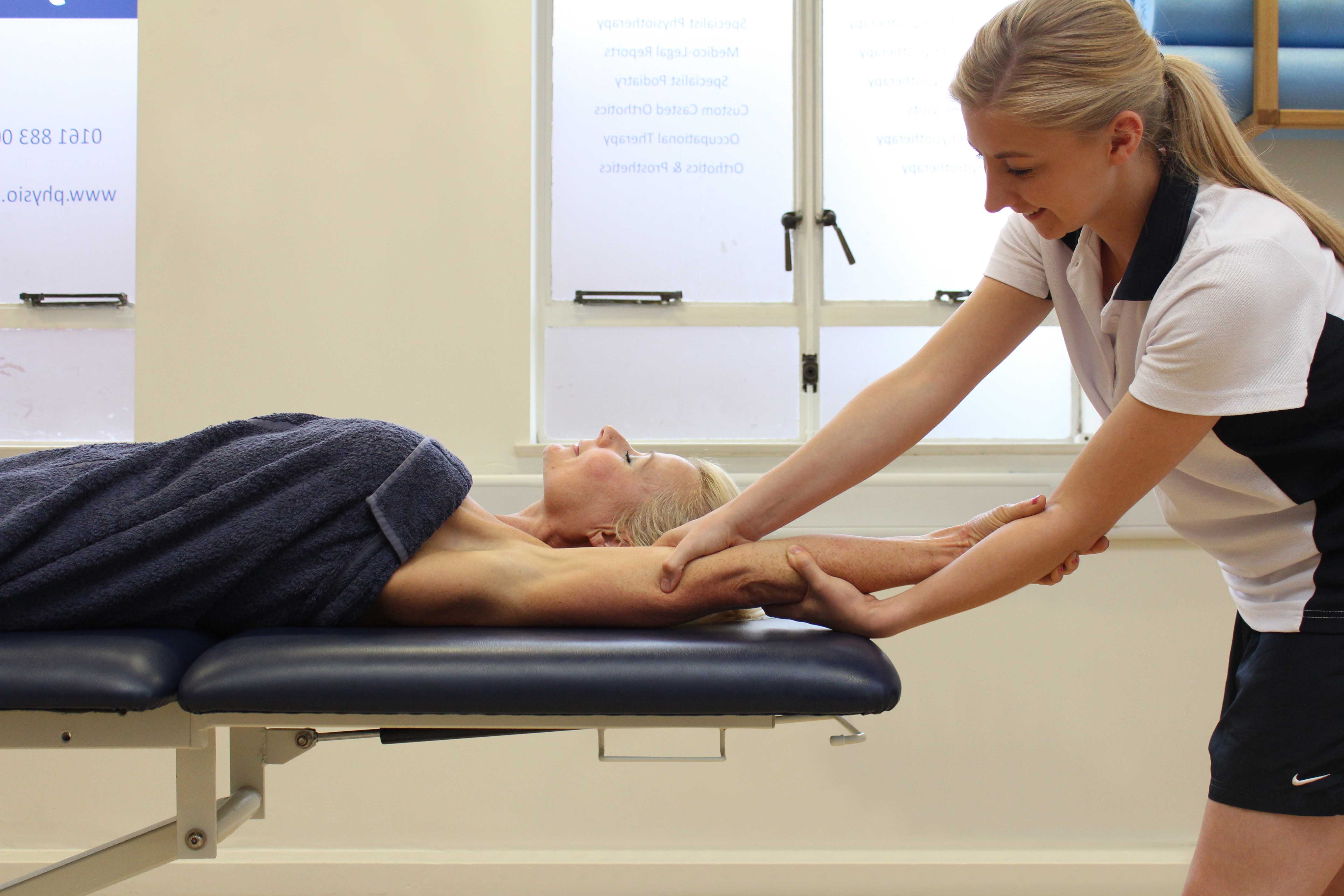 Above: compression massage technique applied to biceps brachia
Compression is used to help relax the body physically and mentally. Light pressure is applied across the soft tissues increasing temperature and circulation. Increased temperature allows the muscle to soften and lengthen. Compression techniques can also help stimulate the parasympathetic nervous system to aid relaxation. The parasympathetic nervous system encourages relaxation and digestion in the body. When the parasympathetic nervous system is stimulated, hormones such as endorphins, serotonin, and dopamine are released. Endorphins, serotonin, and dopamine are hormones that produce feelings of calmness, contentment, meaning, and happiness. Accredited Compression Massage
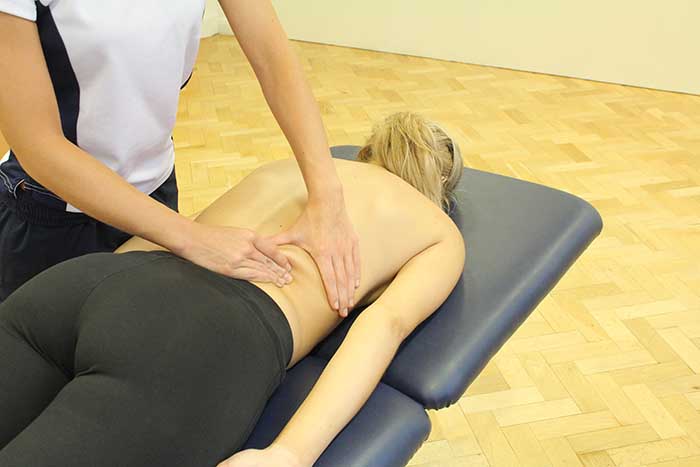 Compression massage techniques are also used to relieve tightness in the muscles. Compressions can enhance the stretch reflex in the muscles. Pressure applied can stretch the muscle spindle cells and trigger a reflexive contraction. A rhythmic compression technique into the muscles also creates deep hyperemia in the tissues. Hyperaemia is the increase of blood flow in the blood vessels.
The hyperemia effect softens muscle fibers, enabling deeper work.
Compression treats acute pains.
Compression onto a muscle can help decrease pain by reducing inflammation in the tissues, increasing blood circulation, and interrupting pain signal pathways. Inflammation or swelling within the tissues can cause pain. Compression can help flush out excess fluids and relieve pressure. Compression can also encourage pain-free movements by eliminating trigger points and relieving tightness.
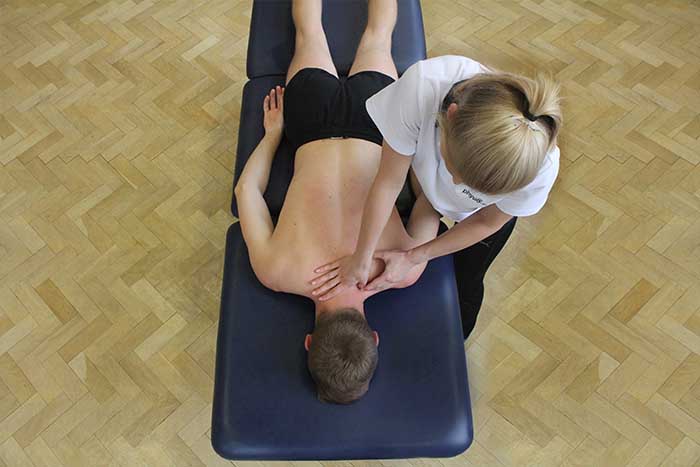
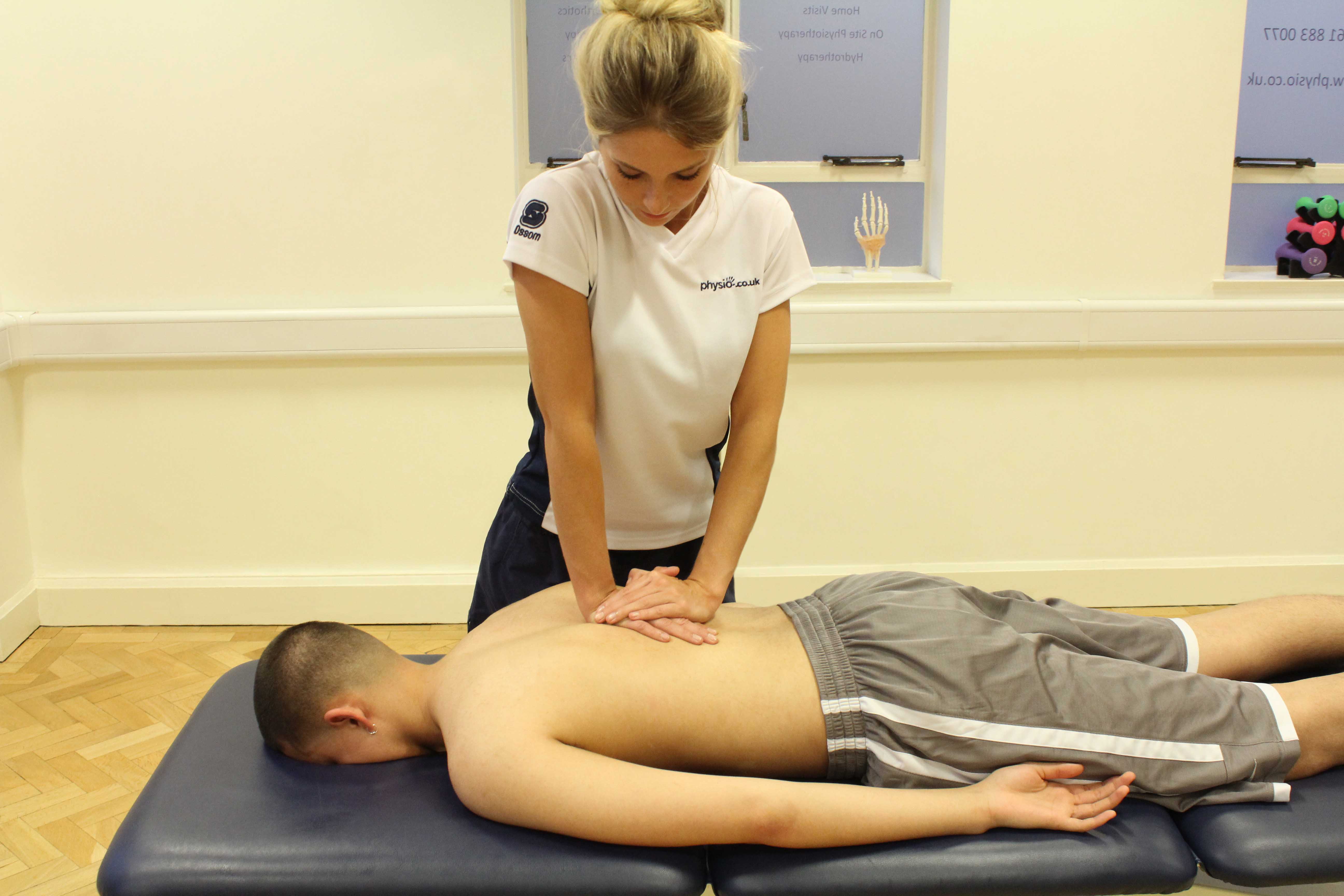 Above: compression massage technique applied to the thoracic spine
What are the physiological effects of compression?
Massage can produce many important physiological effects on the body. The physiological effects of compression include:
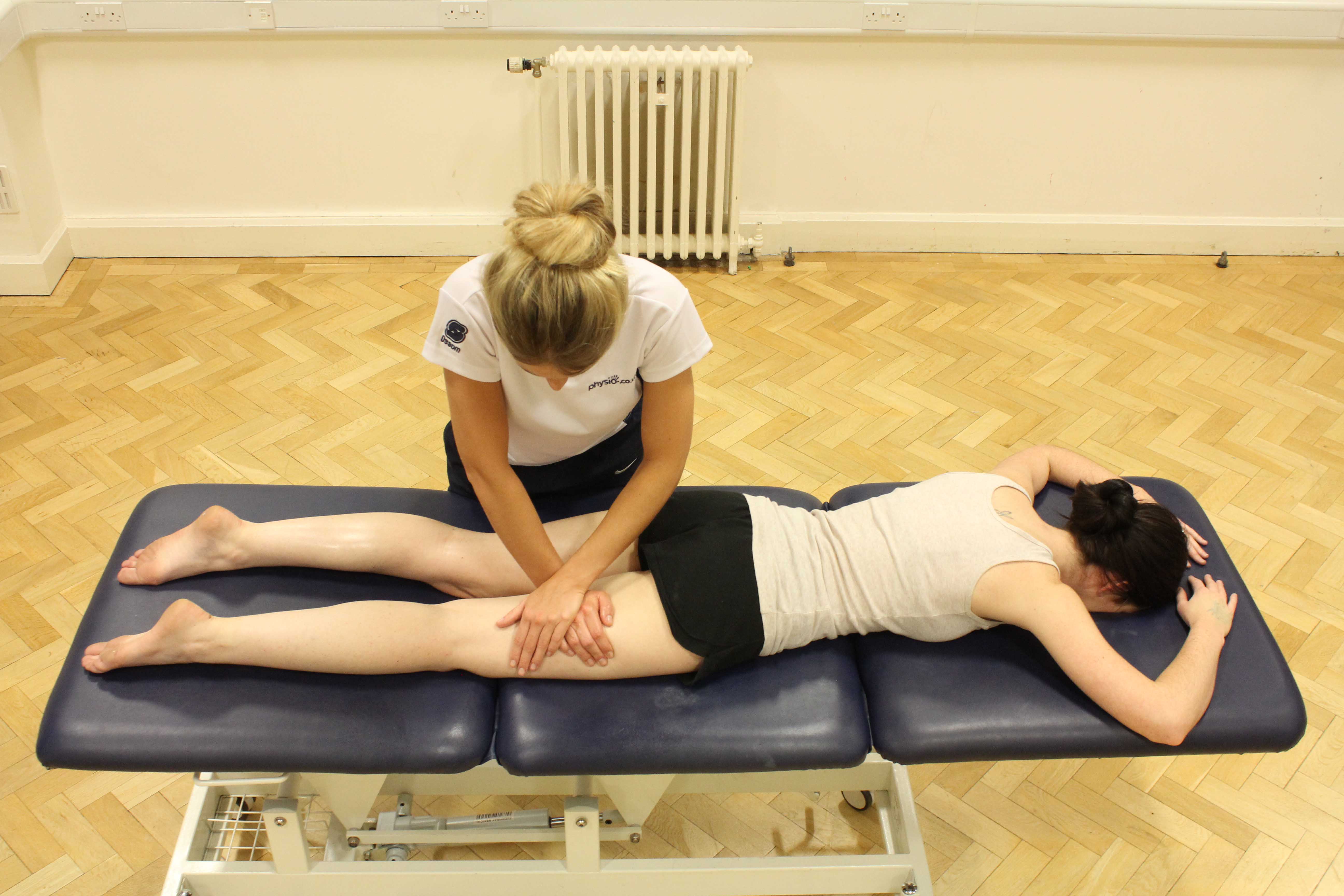 Above: compression massage technique applied to biceps femoris
The compression massage technique increases vasodilation in the blood. Compressions cause a hyperemia effect which then causes vasodilation. Vasodilation is the widening of blood vessels. The widening of vessels allows more blood to flow through. The increase of blood is beneficial to muscle tissues for healing and nutrition.
Compressions can also stimulate hormones in the body. Compressions cause the muscles and body to relax. When the body relaxes, it stimulates the parasympathetic nervous system. The parasympathetic nervous system releases hormones from the brain into the body, including endorphins, serotonin, and dopamine. Endorphins, serotonin, and dopamine help improve mood by producing feel-good emotions.
Compression stimulates cellular exchange in the tissues. The compression technique initially constricts the blood flow and muscle fibers. The slight tightening of the muscles compresses the venous and lymph channels. The force onto the channels can push out waste products and toxins which cause tissue irritation. On release, the increase of oxygenated, nutrient-rich blood is filtered back into the muscles.
What are the benefits of compression?
Compression has many benefits. The benefits of compression include:
One benefit of compression is relaxation. Perform compressions onto the muscles to stimulate a feel-good factor. Compressions can be gentle and performed for prolonged periods. This affects the parasympathetic nervous system in the body. The parasympathetic nervous system can alter the mood and produce complete relaxation.
Compressions also help improve the circulation in the muscles. Compressions initially restrict the blood flow but then encourage a larger amount of blood to an area. Improved blood circulation in the muscles is beneficial to improving tissue conditions and preparing muscles for activity. Accredited Compression Massage
Compressions can help increase the healing of damaged tissues. Compressions accelerate the healing process by increasing oxygen and nutrients in the tissues. Oxygen and nutrients can work to repair and heal any damaged cells. Increasing the healing process can help speed up recovery. Adyourmassage
Common body parts treated by compression
Compression can treat many common body parts. Common body parts treated by compression are:
Compression massage techniques can also be. Be performed on other areas of the body. And be effective in relaxing tight muscles and relieving pain.
Summary
Compressions are a manual massage technique that applies direct pressure onto muscles and soft tissues. Compression massage involves pushing down and holding pressure onto a muscle, then releasing and repeating in another area. It relieves tight muscles, reduces pain, and promotes relaxation. Compression techniques produce physiological effects including increased vasodilation, hormone levels, and cellular exchange. Massage therapists at Physio.co.uk can use compressions as an effective massage technique to treat a range of conditions. Accredited Compression Massage
How can I arrange a compression massage treatment?
The easiest way to arrange a compression massage treatment at Physio.co.uk is to email us at office@physio.co.uk or call us at 0800 033 7800. Accredited Compression Massage
Alternatively, if you have any questions please feel free to contact us.
We offer a 7-day service and provide home and clinic appointments.
3-5 St John Street
Manchester
M3 4DN
6 Minshull Street
Manchester
M1 3ED
33a Rodney Street
Liverpool
Merseyside
L1 9EH
David Lloyd
6 The Aerodrome Speke
Liverpool
L24 8QD
17 Claremont Road
Sale
Cheshire
M33 7DZ
Features:
- Compression Massage
- Increased Vasodilation
- Increased Enrodphins, Eerotonin & Dopamine
- Increased Cellular Exchange
Leave feedback about this