

Username: Neuromuscular Therapy London
ANDREW
Managing director, TOP therapist
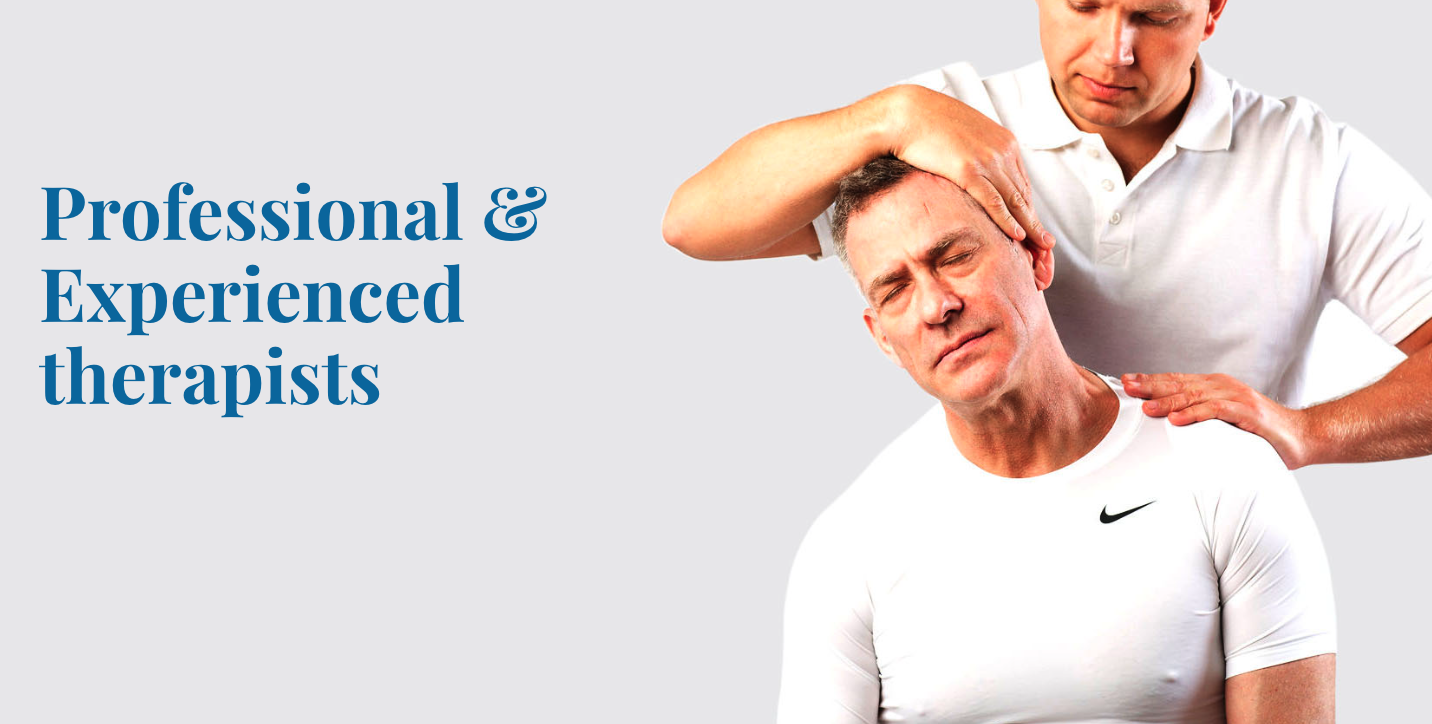
I’m a professional massage therapist with a master’s degree in physiotherapy. I have been treating patients since 2004.
When it comes to selecting a therapist, education, experience and professionalism are top criteria, however, it is the therapist’s particular way of channelling these strengths that can have a really meaningful impact on treatment.
With the aim of not just fixing the problem but improving the patient’s overall quality of life, I adopt an open-minded, multi-causal approach to therapeutic massage, which involves listening to the patient and determining the precise nature of the signals that their body is giving out. From this vantage point, a small number of focused sessions can reverse a problem that has been dragging on for years.
As such, I provide a receptive, tailor-made service that you will not easily find elsewhere, plus a wide variety of massage options to cater for individual concerns.
Neuromuscular therapy London
What is it?
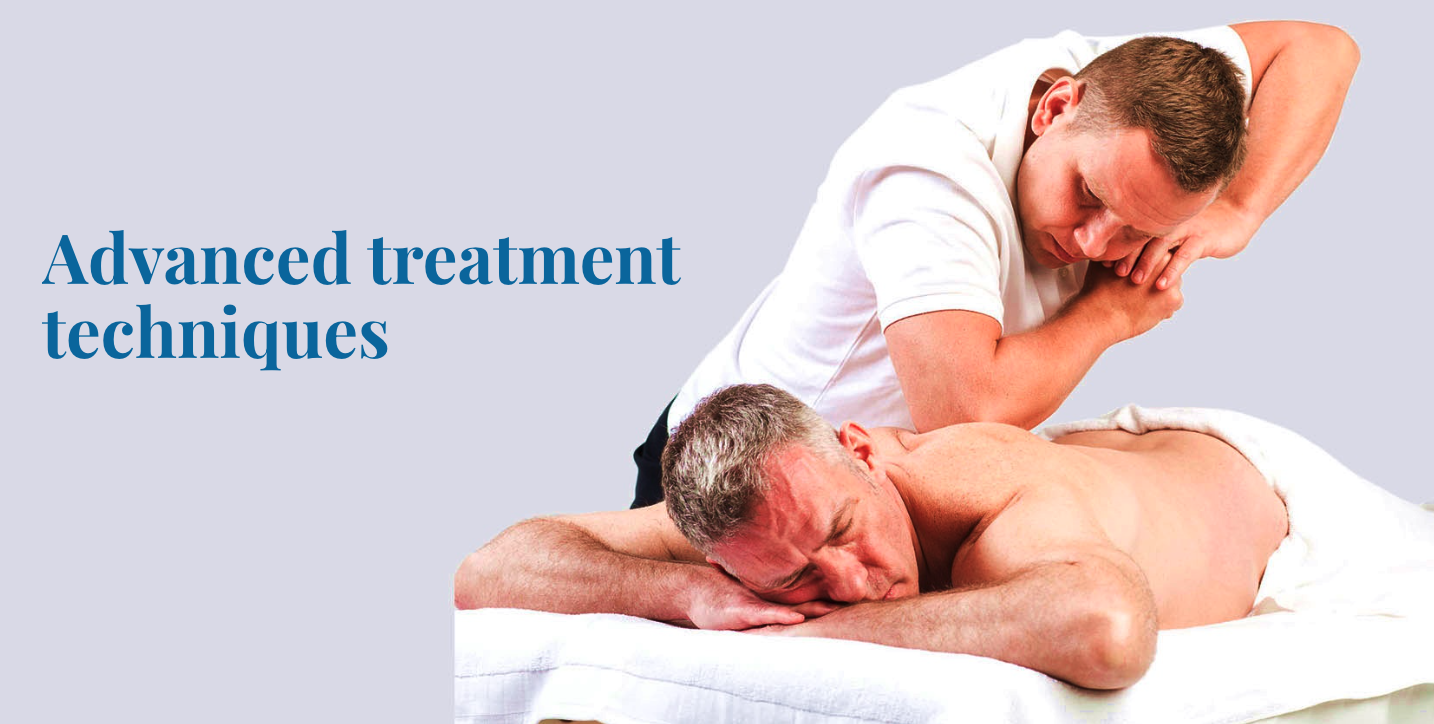
Neuromuscular Therapy is a highly specialized type of soft tissue therapy designed to relieve pain and return injured tissues to normal function.
Neuromuscular Therapy uses targeted soft tissue treatment, flexion techniques and encouragement of concerted self-care to eliminate the causes of most muscular aches and pains. Specifically, it addresses postural and muscular imbalances, nerve entrapment, ischemia (reduced blood flow to an area of the body) and muscular trigger points.
Often providing long-term pain relief where other approaches have failed, Neuromuscular Therapy restores natural balance to the nervous, muscular and skeletal systems and brings the body back into natural alignment.
Problems Neuromuscular therapy can help
| 1✓ Arm and hand pain (this may include tingling or numbness) 2✓ arthritis 3✓ Back pain (lower and upper) 4✓ calf cramps 5✓ carpal tunnel syndrome 6✓ circulatory problems 7✓ hip pain 8✓ headaches and migraines |
1✓ jaw pain✓ knee pain 2✓ Leg and foot pain (this may include tingling or numbness) 3✓ muscle pain 4✓ neck and shoulder pain 5✓ plantar fasciitis 6✓ sciatica 7✓ whiplash injuries |
1✓ arthritis 2✓ sciatica 3✓ Stiffness or reduced flexibility (general) 4✓ tendonitis 5✓ temporomandibular joint syndrome 6✓ iliotibial band syndrome |
Сontraindications
Neuromuscular Therapy should be avoided when the following cases apply:
| 1• Acute circulatory conditions 2• Acute rheumatoid arthritis 3• fever 4•healing fractures 5• haematoma 6• hypersensitive skin |
1• any systemic or localized infection 2•open wounds 3•obstructive oedema 4• osteomyelitis 5• The patient is undergoing 6•anticoagulant therapy |
1• any systemic or localized infection 2• Osteoporosis or advanced degenerative 3changes 4• A malignant tumour 5• sutures 6• The patient has suffered an aneurysm |
Good to know
Neuromuscular Therapy may feel painful, especially at first; when this occurs, it is important to notify the therapist. Indeed, any time the pressure feels too strong, too faint, or seems to be adversely increasing or decreasing, the client should make it known, and the therapist should respond accordingly. Adyourmassage
Massage pressure should never be unreasonably or overly painful, but rather work through the muscle spasm to alleviate pain. For this reason, most people describe massage pressure as a “good pain”.
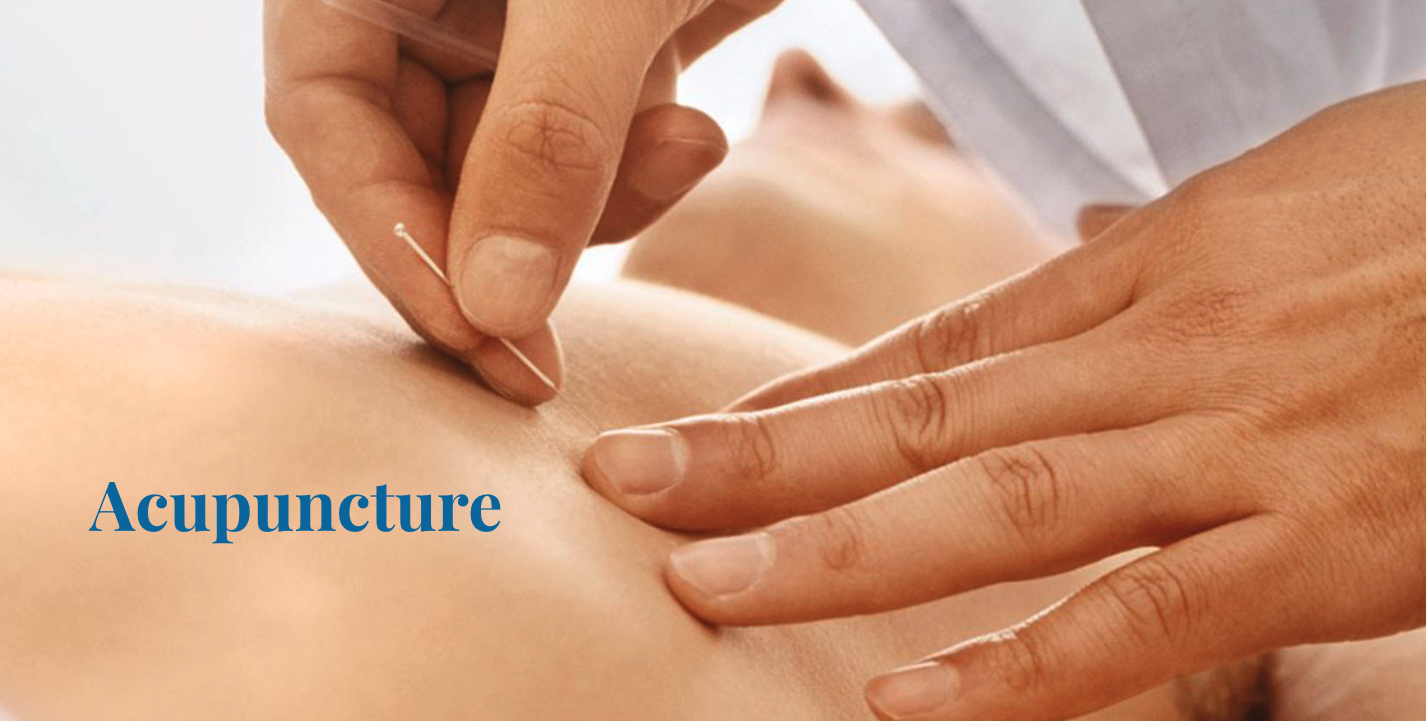
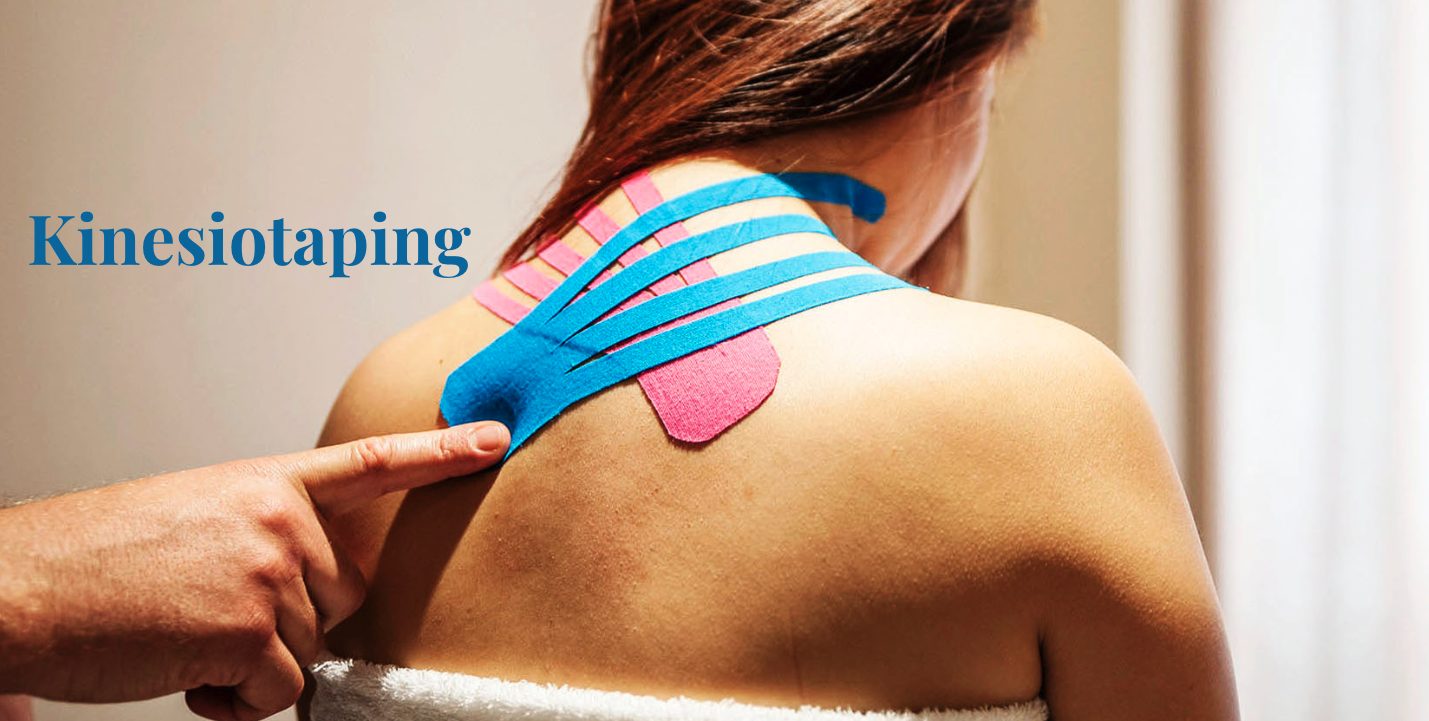
We provide our massage, treatment, kinesio taping and acupuncture services in London, Kings Cross and Euston region. However, for our clients, we do mobile massage treatments all across London and surrounding areas.
Book an appointment for a massage, therapy or acupuncture session today.
Features:
- Professional Massage Therapy
- Neuromuscular Therapy
Leave feedback about this